How Filmmakers Can Take Back Control of Their Work With Jerry J White III
Dear Creator,
Have you ever wanted to start a YouTube channel? Maybe to share your creative projects, perspective or stories? Well just so you know… if you’re in it for the money — it might not pay off for a while.
In this episode, I sit down with Jerry J White III who over the past 20 years has directed and produced 3 distributed feature films, and started multiple film and media programs at independent schools in Los Angeles. He started Bronson Creative as an experiment around how modern creatives learn, share work, and sustain themselves throughout uncertainty. Jerry’s garage operates as a living research space, and television studio that he uses to examine media and its ever growing infatuation with our attention.
We talk about the realities of building a creative career in today’s online world.
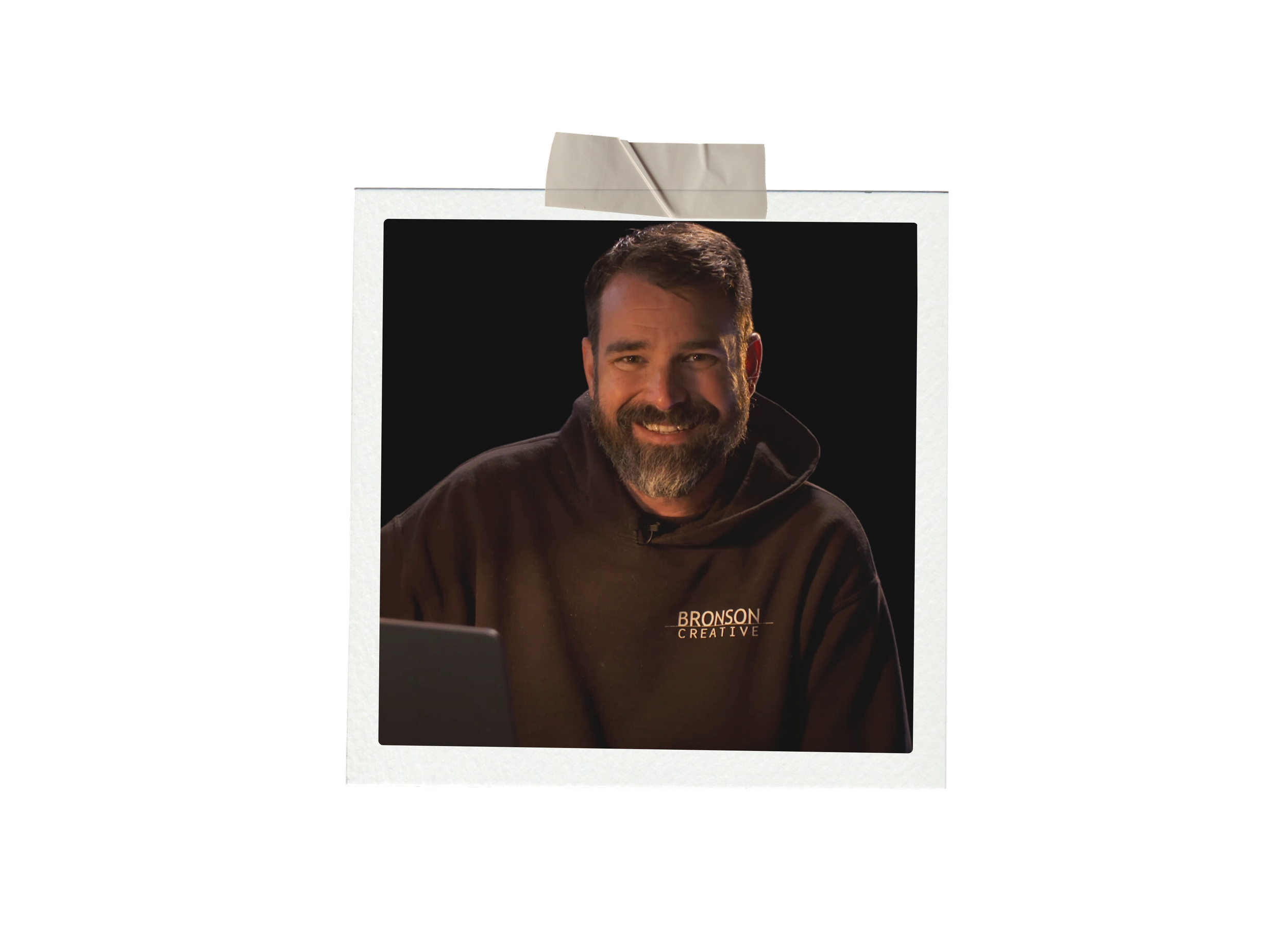
Jerry shares his 20 year journey in filmmaking from film festivals and distribution deals to experimenting with YouTube and self distribution. Along the way, he opens up about the harsh truths behind the film industry, why most creators don’t actually make money from distribution and how artists can reclaim ownership of their work.
We explore the power of experimentation, teaching through transparency and why the future of creativity may lie in independent platforms, collaboration and community-driven distribution.
This conversation is an honest look at what it really takes to build a creative life and career.
Key Highlights:
Creating Online to Eventually Get Offline
Jerry shared an interesting perspective which is that he’s creating online, not to stay online forever but to build independence from traditional systems.
For him, platforms like YouTube are experiments — tools to learn how audiences work and how creators can reclaim control of their work.
He suggests creatives should also ask themselves: “What would it look like if we spent less time online?”
Many creators are experimenting with more analog, slower creative processes as a way to reconnect with their work.
The Reality of Film Distribution
One of the most eye opening parts of our conversation was Jerry’s transparency about film distribution. After spending $30,000+ making two films, the revenue from distribution deals was around $1.000 and some change.
Even worse, creators often receive little information about:
Who watched their films
Where their audience is
How revenue is actually calculated
This lack of transparency is one reason Jerry now advocates for self-distribution and creator ownership.
Why Creators Should Follow Their Gut Instead of Algorithms
Early in his YouTube journey, Jerry tried following the typical advice from YouTube gurus but quickly realized it didn’t align with the kind of content he wanted to create.
Instead, he began focusing on:
Making videos he actually believed in
Sharing real creative processes
Thinking long-term (3–5 years)
He said something like, “Make the thing you want to see, not the thing you think the internet wants”.
Experimentation Is the Core of Creativity
Experimentation has defined Jerry’s filmmaking career.
Examples from his projects include:
Shooting a feature film over three years to let an actor age naturally (and to grow out his beard)
Creating an improvised film shot in seven days
Building miniature sets and using old filmmaking techniques like rear projection
Experimenting with filmmaking entirely on phones
Creativity thrives when you allow yourself to experiment without pressure.
The Hidden Truth About YouTube Monetization
Many creators assume YouTube is an easy way to make money but Jerry shared some surprising statistics:
Around 92% of channels never earn money
Creators only receive 55% of ad revenue
YouTube takes 45% after monetization (and 100% before)
For Jerry, the value of YouTube isn’t quick money…it’s:
Building a direct and intimate audience
Experimenting with storytelling
Creating a platform he owns
Why Community and Collaboration Matter More Than Gatekeepers
Traditional creative industries rely heavily on gatekeepers:
distributors
studios
investors
sales agents
Jerry believes the future lies in creators supporting each other directly.
Instead of waiting for approval from industry systems, creators can:
collaborate
share audiences
build collective platforms
Creativity Should Be Fun Again
After years working in the film industry, Jerry realized that filmmaking had stopped being fun. Returning to small experiments, teaching students and creating content independently helped him rediscover the joy of making things. He expresses the notion that creativity should be playful, experimental and curious.
Connect with Jerry
Website: www.bronsoncreative.us
Instagram: https://www.instagram.com/bronsoncreative/
YouTube: https://www.youtube.com/@bronsoncreative
Watch Jerry’s Films: https://www.bronsoncreative.us/support
Substack: https://bronsoncreative.substack.com/
TikTok: https://www.tiktok.com/@bronsoncreative
Morgan’s Interview on Jerry’s Channel: https://www.youtube.com/watch?v=00lV0jCfPV0&t=170s
Follow for More Conversations
Don’t forget to hit follow and rate the podcast! This is completely free and greatly appreciated.
If you have any thoughts on this conversation, comment them below.
Connect with Morgan
Website / Work With Me: https://www.morganmarkowski.com/
Newsletter: https://morganmarkowski.myflodesk.com/newsletter-sign-up
YouTube: https://www.youtube.com/@morganmarkowski
Instagram: https://www.instagram.com/morganmarkowski
TikTok: https://www.tiktok.com/@morganmarkowski
More Dear Creator Articles: https://www.morganmarkowski.com/blog?category=Podcast